Tang Yongxiang

This post is also available in: 简体中文 (Chinese (Simplified)) English

Tang Yongxiang (b. 1977, Hubei Province) graduated from Hubei Institute of Fine Arts in 2007 and currently lives and works in Beijing.

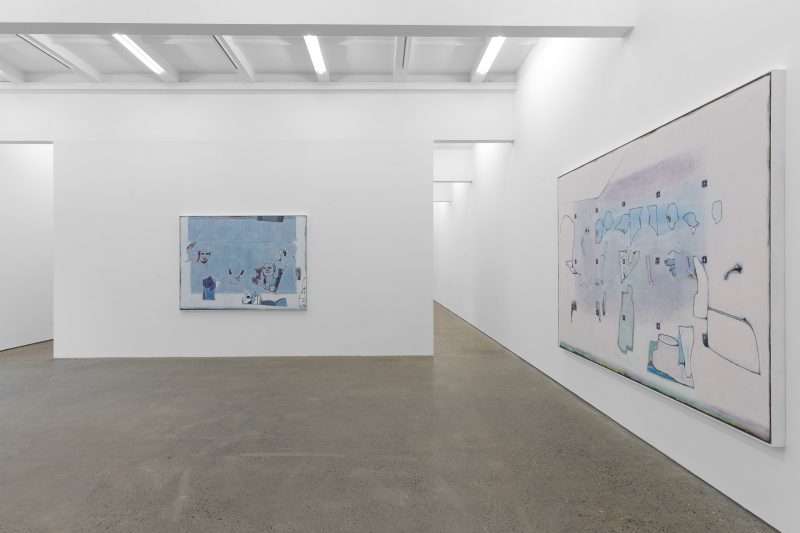
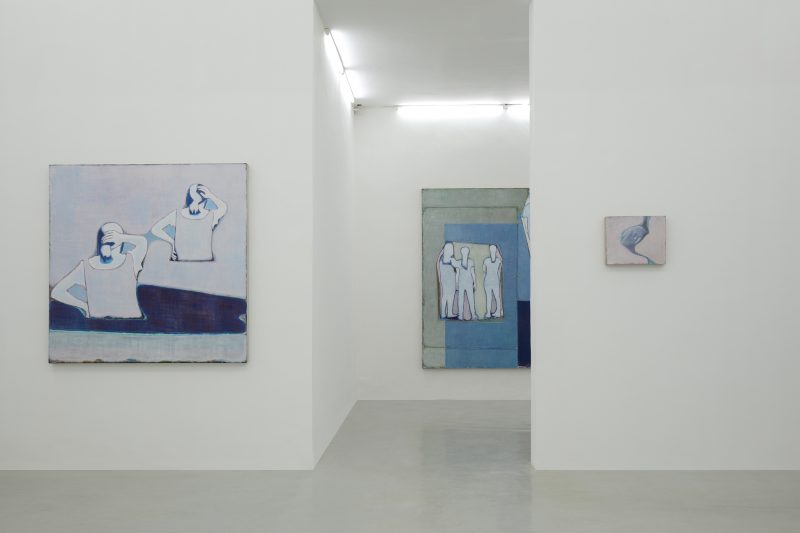
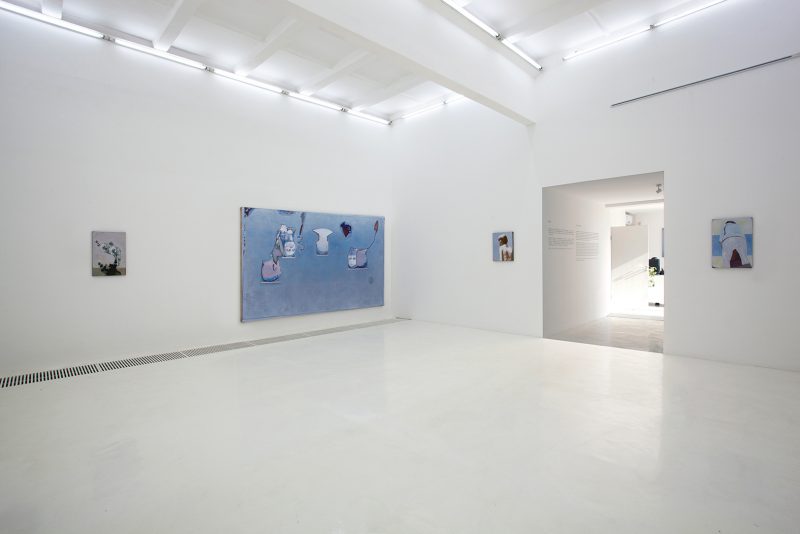
Using real life images as the entrance to painting, Tang works with the changing relationships between forms and between colors that are both constantly developed during the painting process. The images are mostly snapshots taken by the artist himself and often lack strong significations. Rather than arbitrarily manipulate the existing relationships embedded in the images, Tang prefers to engage in a restrained and persistent struggle with the images while relying on the given structures, leaving the surface with traces of the artist’s countless hesitations, decisions, and thoughts. In his painting process, contingencies and uncertainties would be the kinks in constructing new relationships.

His work has been shown in solo exhibitions at TANK Shanghai (Shanghai), SSSSTART Research Centre (Shanghai) and Magician Space (Beijing), Lévy Gorvy Dayan & Wei (Hong Kong), and was included in exhibitions at Yuan Art Museum, Taikang Art Museum, National Art Museum of China (Beijing), Start Museum (Shanghai), Beijing Minsheng Art Museum (Beijing), 69 Art Campus (Beijing), Wanlin Art Museum (Wuhan), Today Art Museum (Beijing), etc.


His work is collected by TANK Shanghai, Start Museum, He Art Museum, Deji Art Museum, K11 Art Foundation, the De Heus-Zomer Collection.

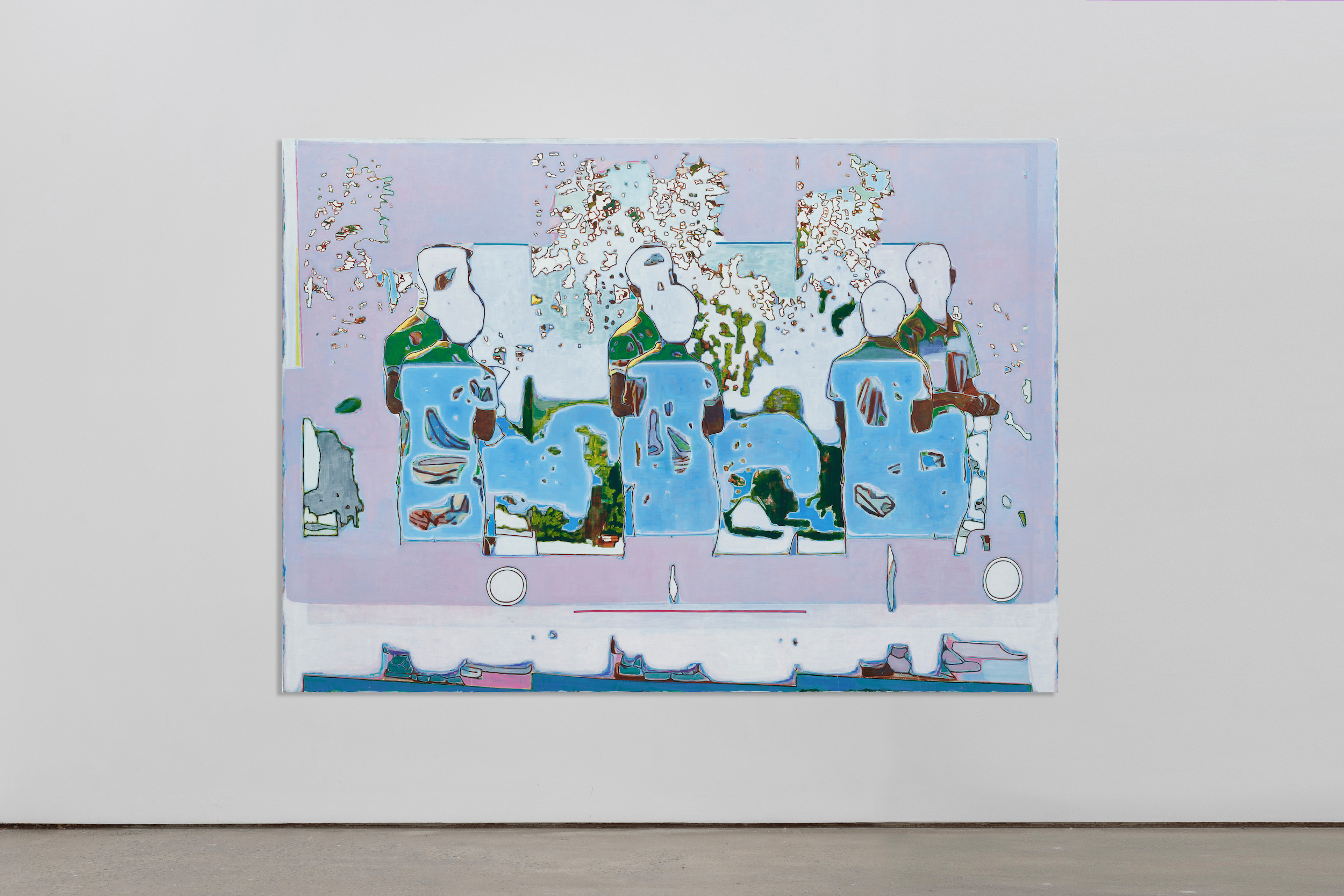
Three Couples with Large Areas of Blue on Their Bodies, 2025, oil on canvas, 200 × 280 cm

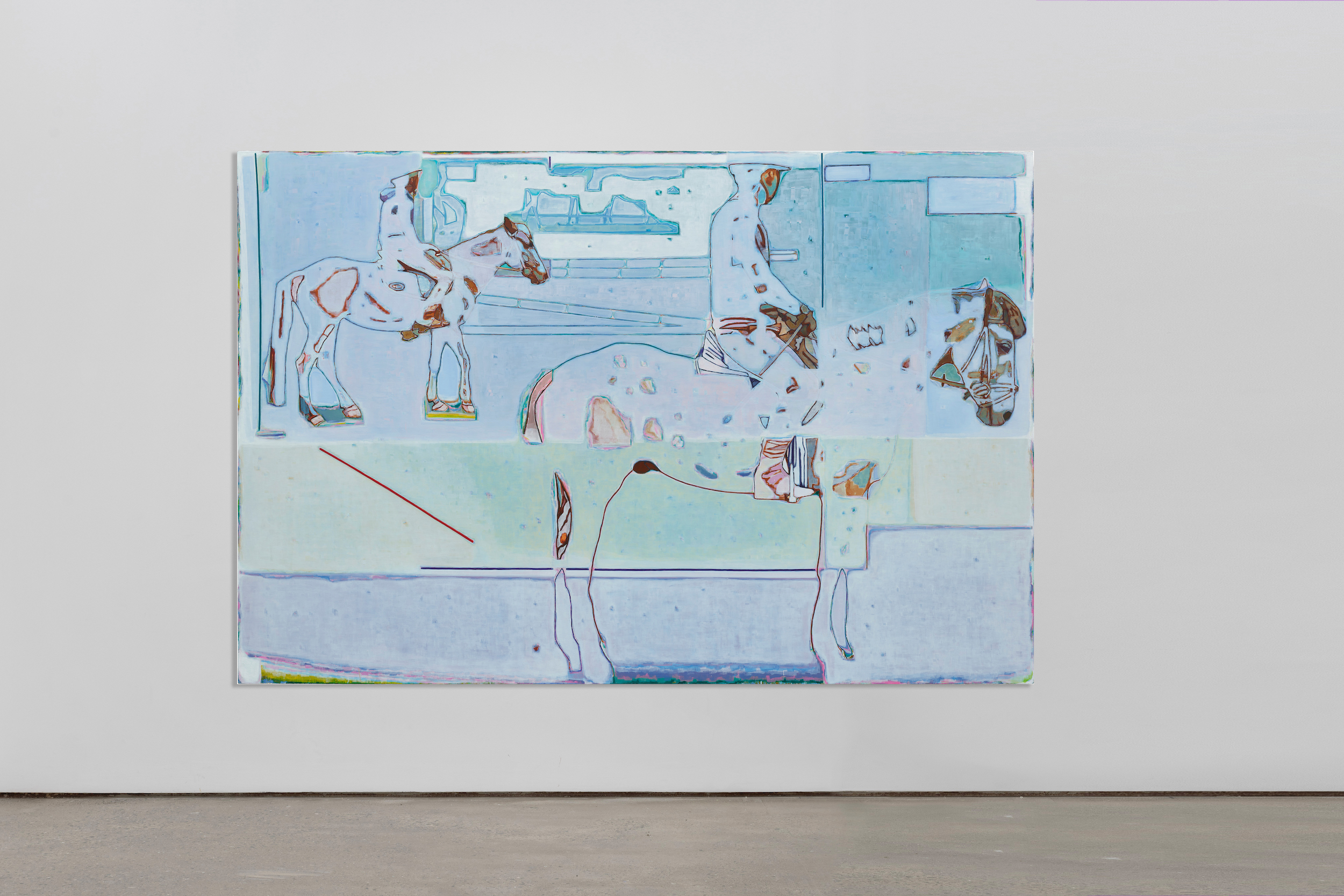
Two People Riding Horses, 2025, oil on canvas, 200 × 300 cm

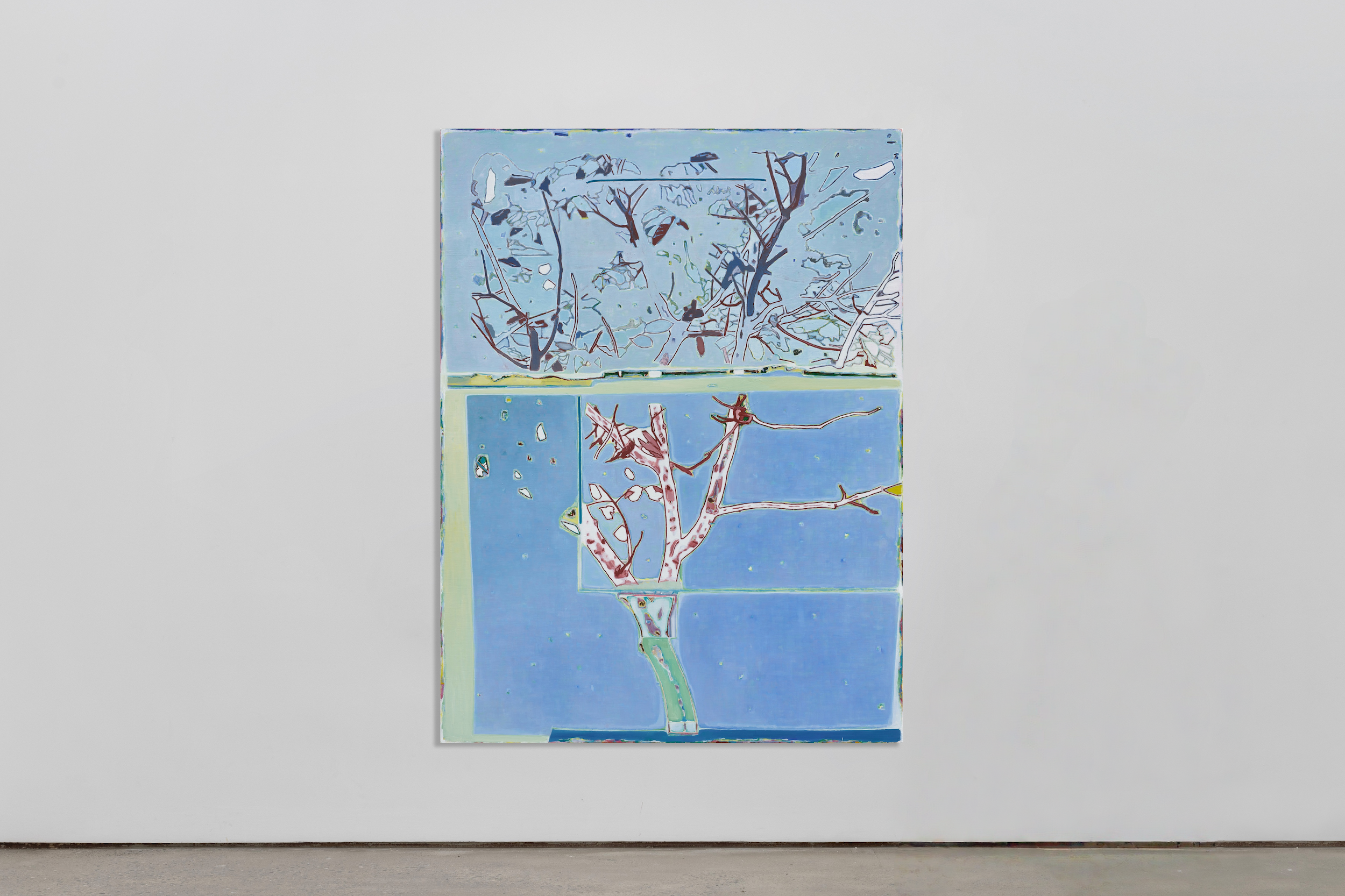
Simplified Branches over a Large Area of Blue, 2025, oil on canvas, 200 × 150 cm

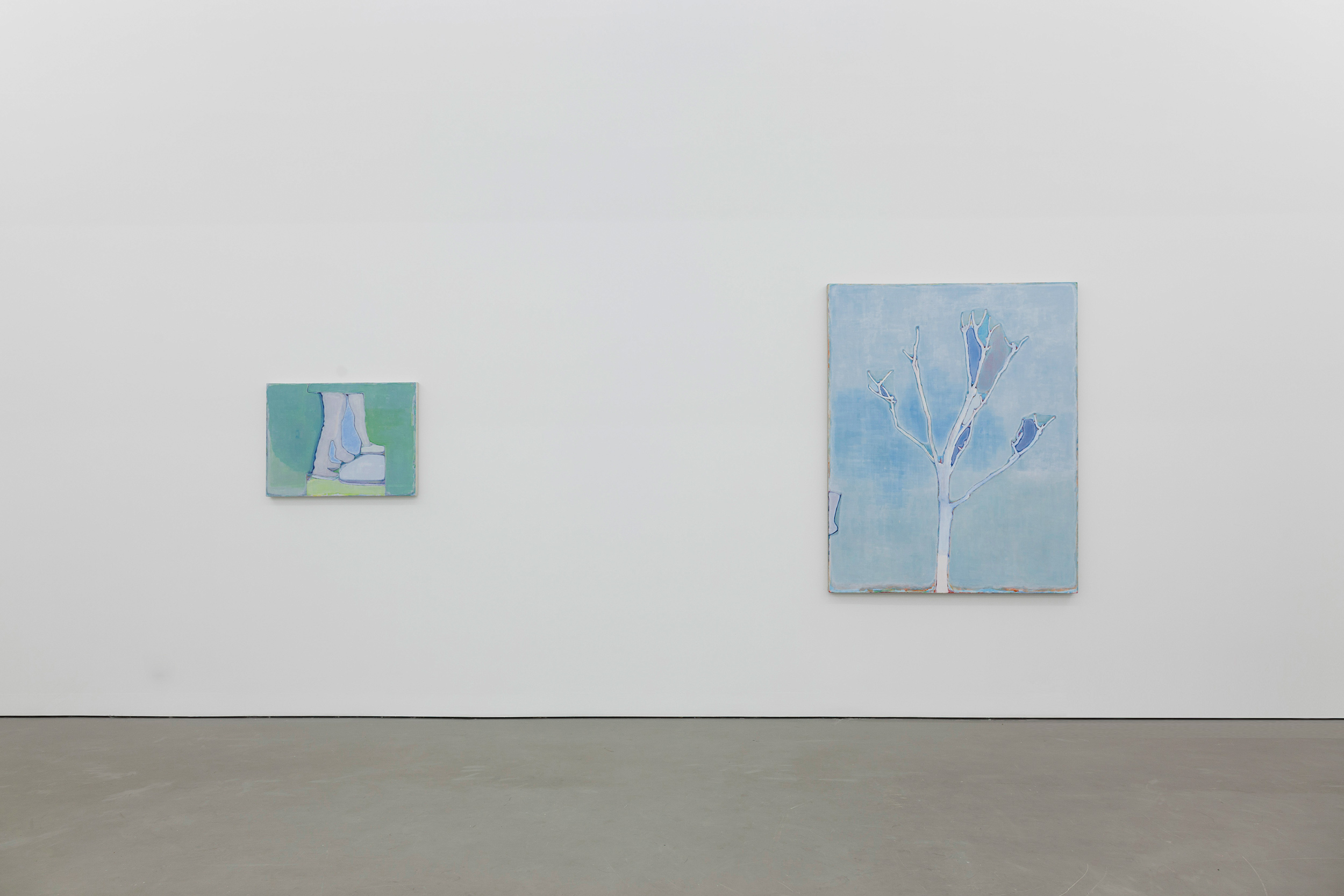
Two Trees, Some Green on the Left One, 2020, oil on canvas, 200 x 300cm

Tang Yongxiang, Magician Space, exhibition view, 2017

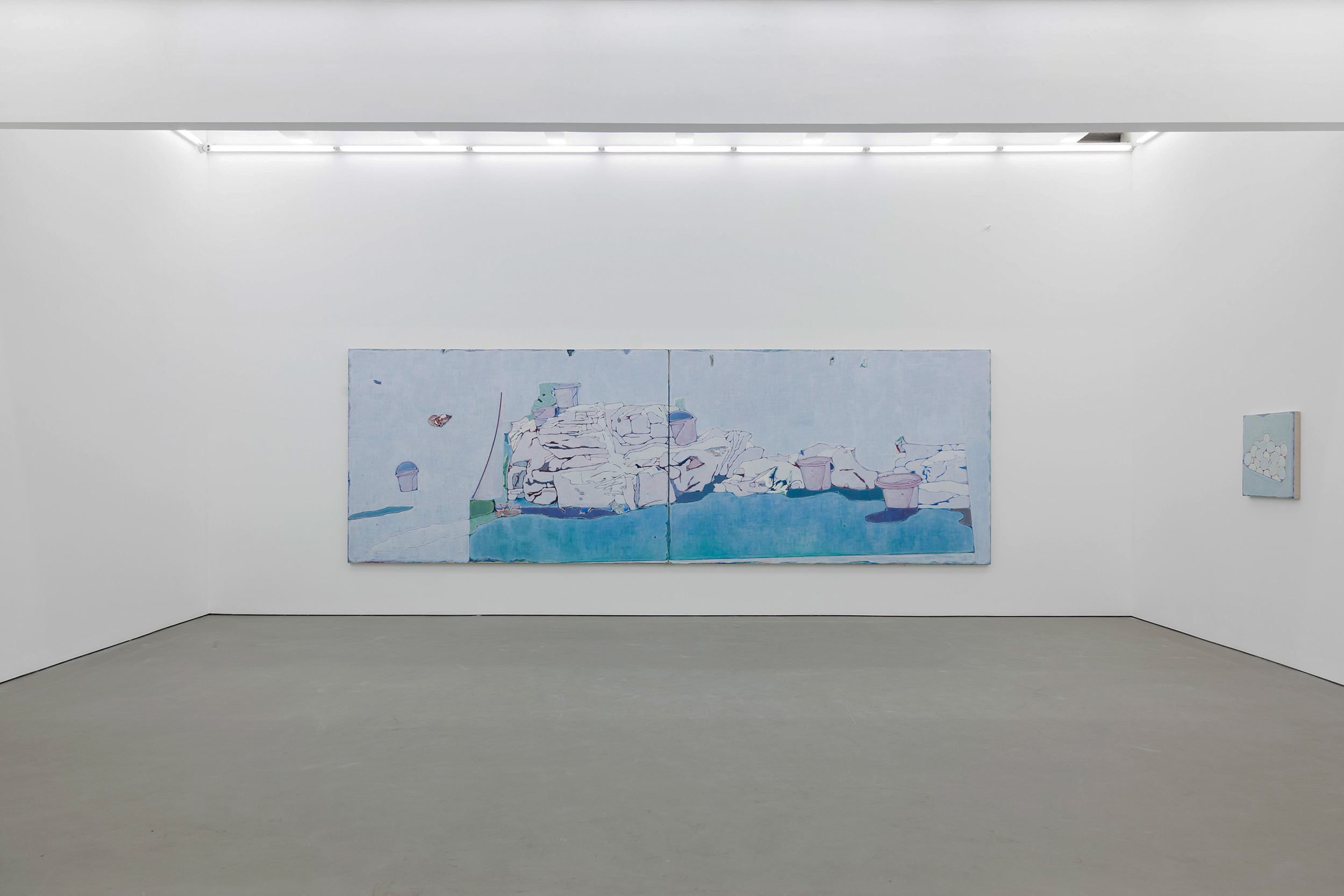
A Pile and a Few Buckets, Below an Area of Blue, 2017, oil on canvas, 200 x 600 cm

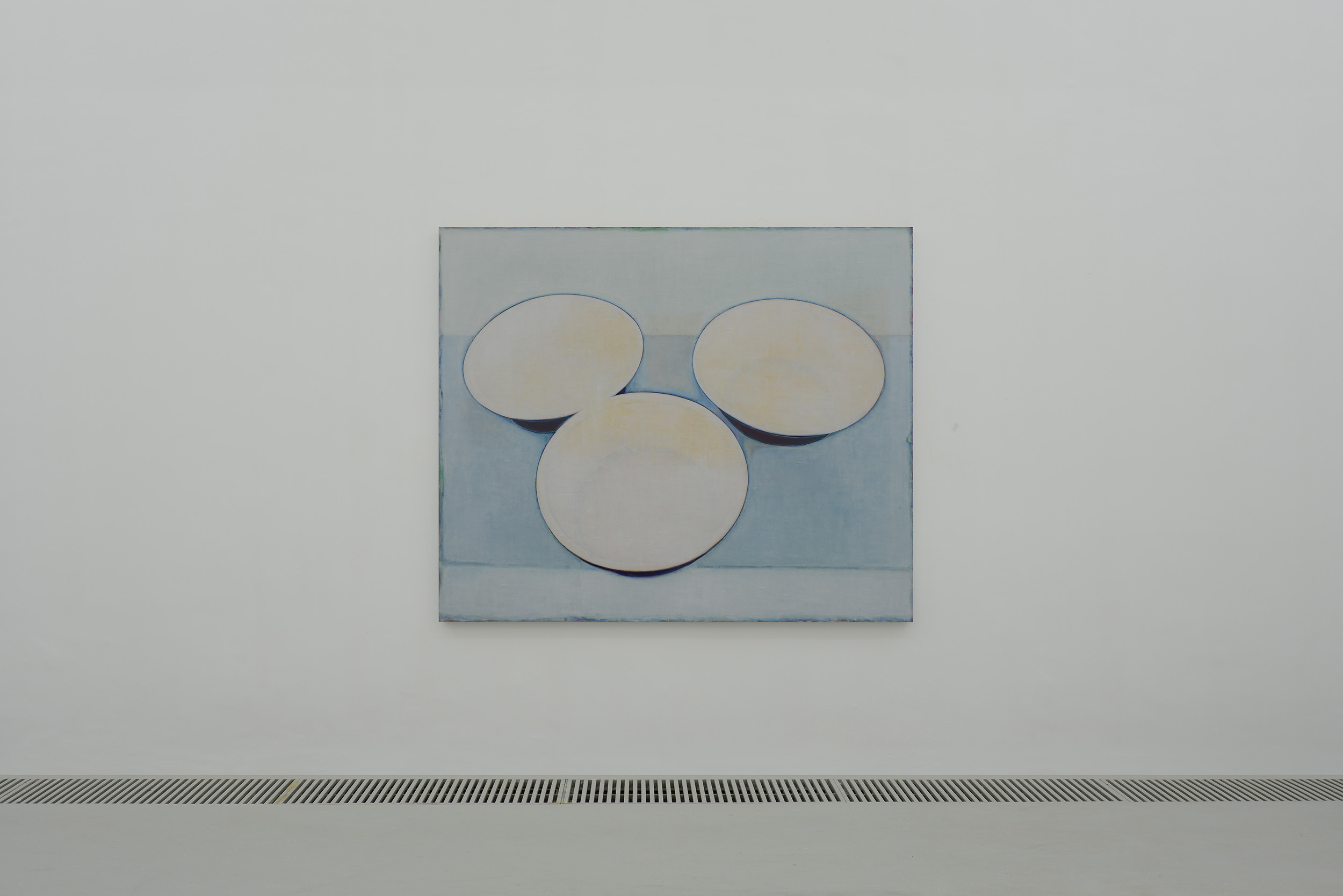
Three Basins, 2015, oil on canvas, 150 x 180 cm

Chien-Hung Huang|Tang Yongxiang’s “E-quotidian” Cyborg: Painting as Provenance Manifested

The “moments” Tang Yongxiang shares with us are the discoveries of space. He attempts to find sufficient “entries/portals” into spaces that enable the spirit to traverse freely. Hence, the application of “coverings” on his images are not “concealments” but “openings” that open multidimensional arenas and facilitate transfers within. Reality is merely a gateway to truth, while painting is the path to truth. Each smearing of a color block layer, every transformed color block layer, serves as an entry into another realm. This is the nonlinear relational crystal; it is a method of entering by way of the cyborg, into a form that cannot be controlled in a cybernetic society, to activate true “destiny.”

Wang Yamin|Of Painting: The Moment of Ambience Act One Among All Allegories of Painting in the Society of Control[ Excerpt from Allegories of Painting of Control.] (1)

The critical narrative of Tang Yongxiang’s paintings is an ambivalent expression of something “meaningless,” “inactive,” and “resists to give in to total nihilism.” It insinuates a reality that can now be described as the affective tribulation of being an ordinary constituent of the society of control. Can we still reimagine and bring forth a collective utopia in the age of control? Does Tang Yongxiang’s painting operate as “painting as ontology”—re/presenting or simulating a world, or as “painting as ethics,” an act parallel to the operative logic of the contemporary society of control?

Lu Mingjun | A Floating Fiction, Lurking Perceptions, and an Interwoven Form

“It is precisely here that these ruptures become the entry point into the canvas space just as he will always be able to see in unlimited ways a positive negative structure within a form. Just as Tang opens up new possibilities of a visual narrative within these ruptures, it is also possible that these narratives might always remain incomplete. Conversely, while the forms within the canvas may be unpredictable, because of the many different layers they can be viewed, read, and interpreted, this also signifies how the canvases are never entirely arbitrary in their making. In this way, any provisional rationalization or causal relationship that influences the act of viewing no longer seems to impede Tang as he develops a way of imagining forms beyond methods of description.”

Zhu Yingying | Impersonal Space

“What does he want to discard? The concepts imposed from the outside world, which includes motives tied to an aesthetic and system of categorization used to define materiality. When materiality is enabled to exist without a fixed notion of its concrete attributes or concepts, how does one connect back to the specific medium of painting again? It is from this standpoint, where the painter persists in the process of reshaping relationships of temporality and space through the language of painting.”

Zhong Shanyu | A Provisional Presence

“By engaging with memory, intuition, and the subconscious, Tang Yongxiang endows his work with an ethereal quality of estrangement. Material is culled from photographs and repeatedly function to extract information through engaging with the memory of the artist. The visual image is approached as an inexhaustible resource that offers unlimited possibilities of permutation – this also explains why similar icons frequently appear throughout his work. Suggestive of a compulsive tendency – when the back of a figure, the leg, or a still life appears, they each evoke a bewildering sense of déjà vu to the viewer. Yet these familiar archetypes and objects are merely the entry point into his paintings. They begin with a photograph, which becomes reconfigured via the artist’s own memory before appearing on the canvas. From there, they gradually begin to diminish – reaching a point of defamiliarization before eventually the painting becomes a record of sorts, capturing an instantaneous moment similar to the function of a camera. Perhaps in this way, his paintings can be regarded as the second take of the original photograph. Relinquishing the warmth of the body (although this does not entirely disappear), they become removed from the common attributes tied to the quotidian everyday object.”

CLOSE 关闭

扫描二维码关注画廊微信公众号

或者微信搜索公众号“魔金石空间”