This post is also available in:
简体中文 (Chinese (Simplified))
English
Curator: Leo Li Chen
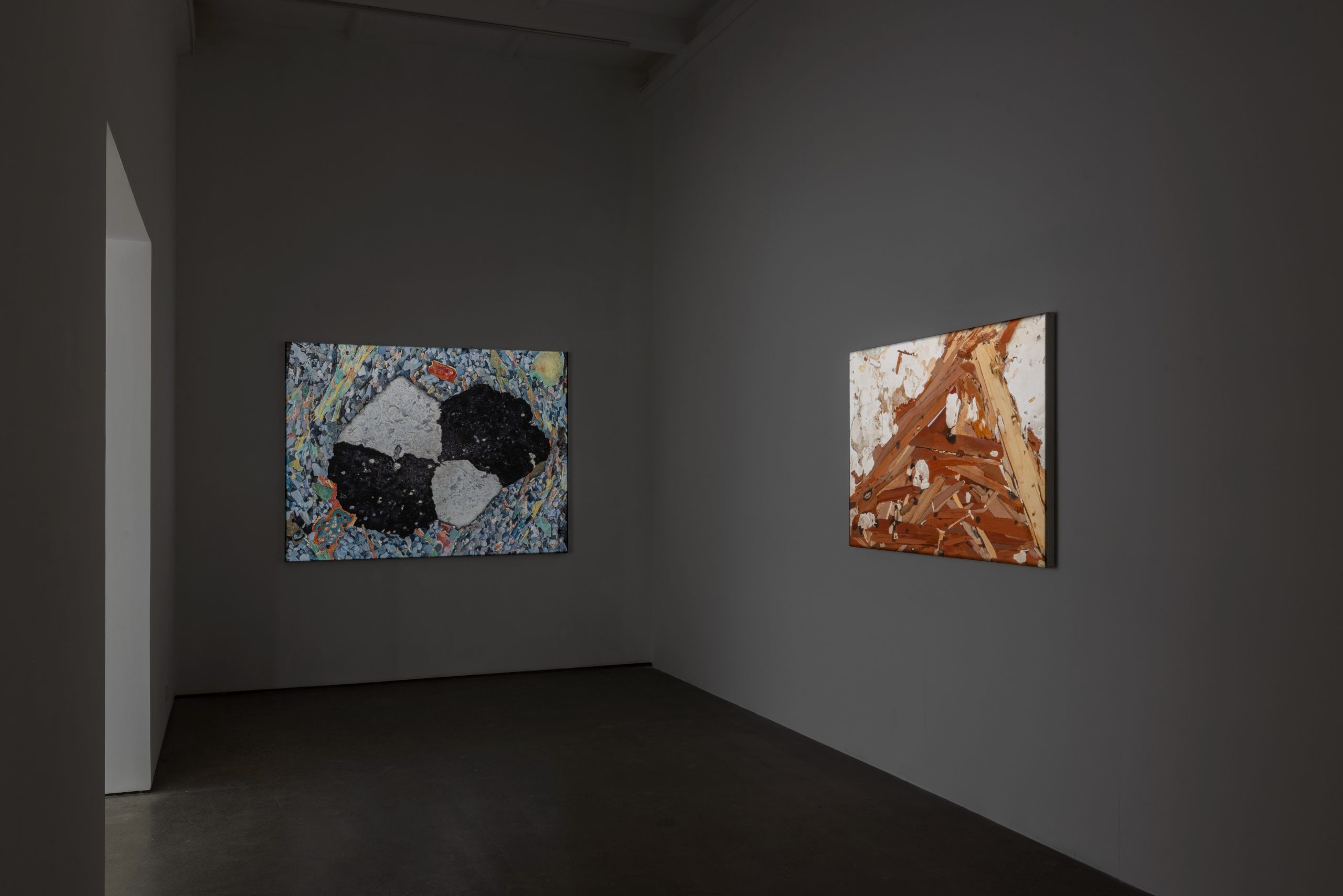
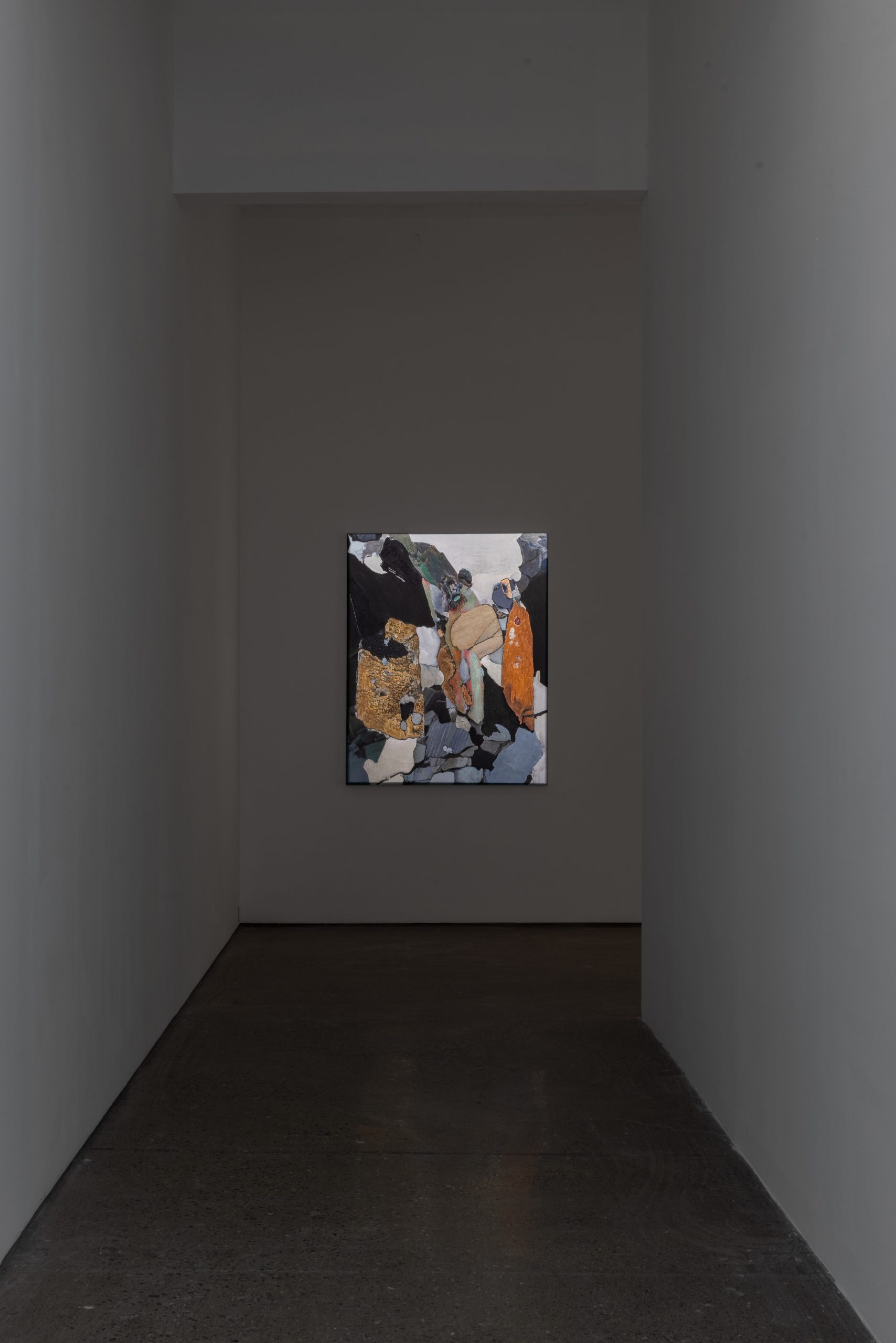
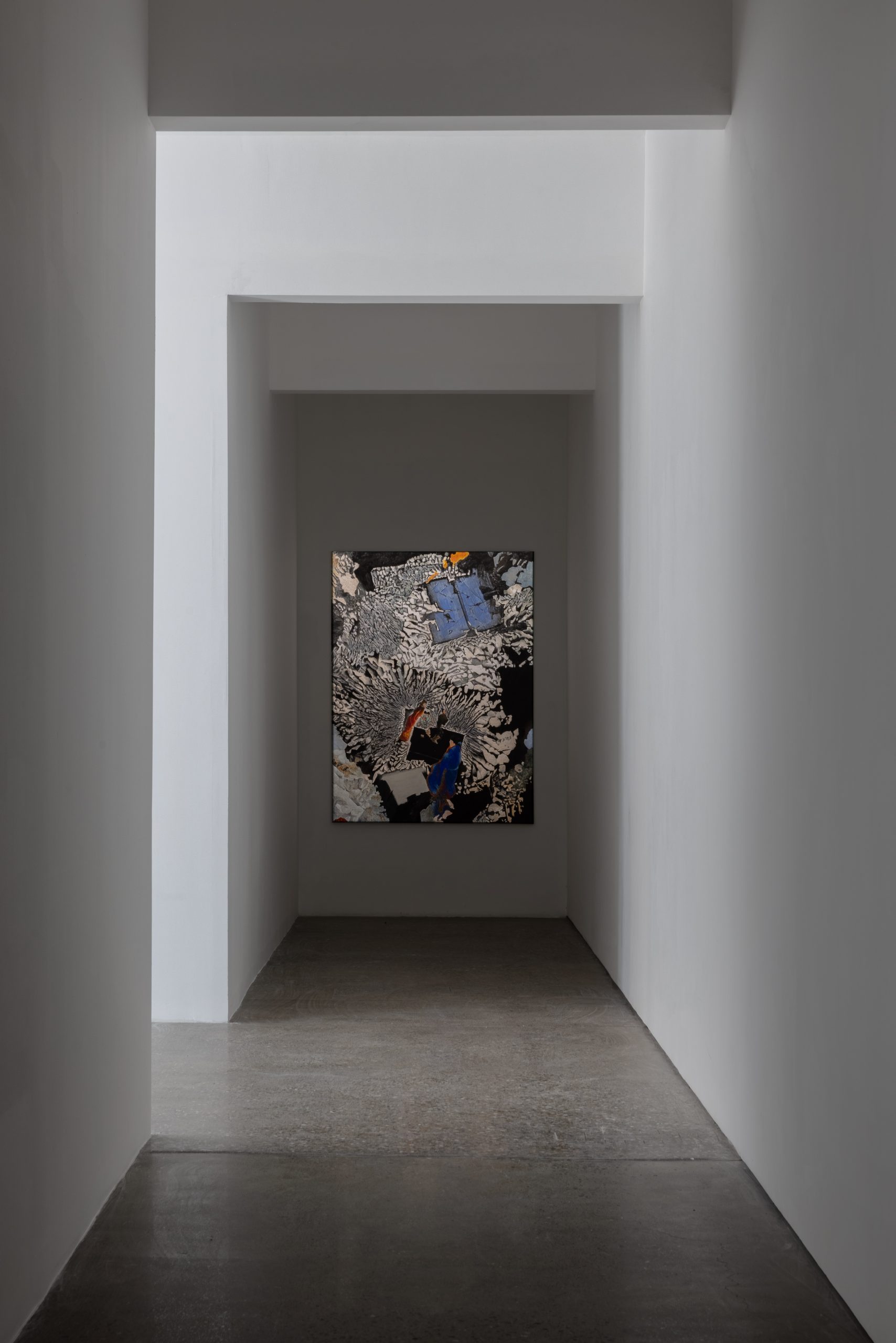
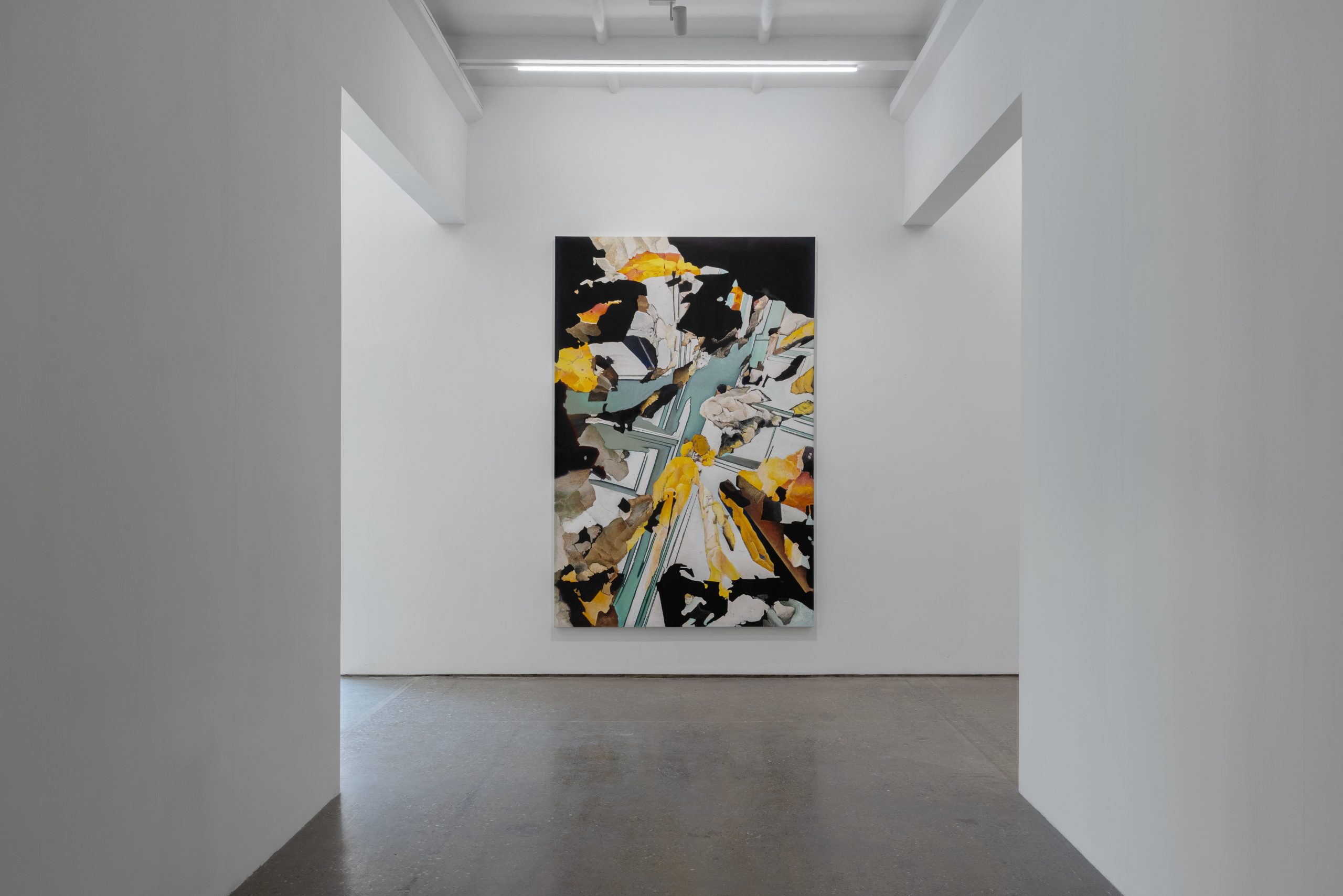
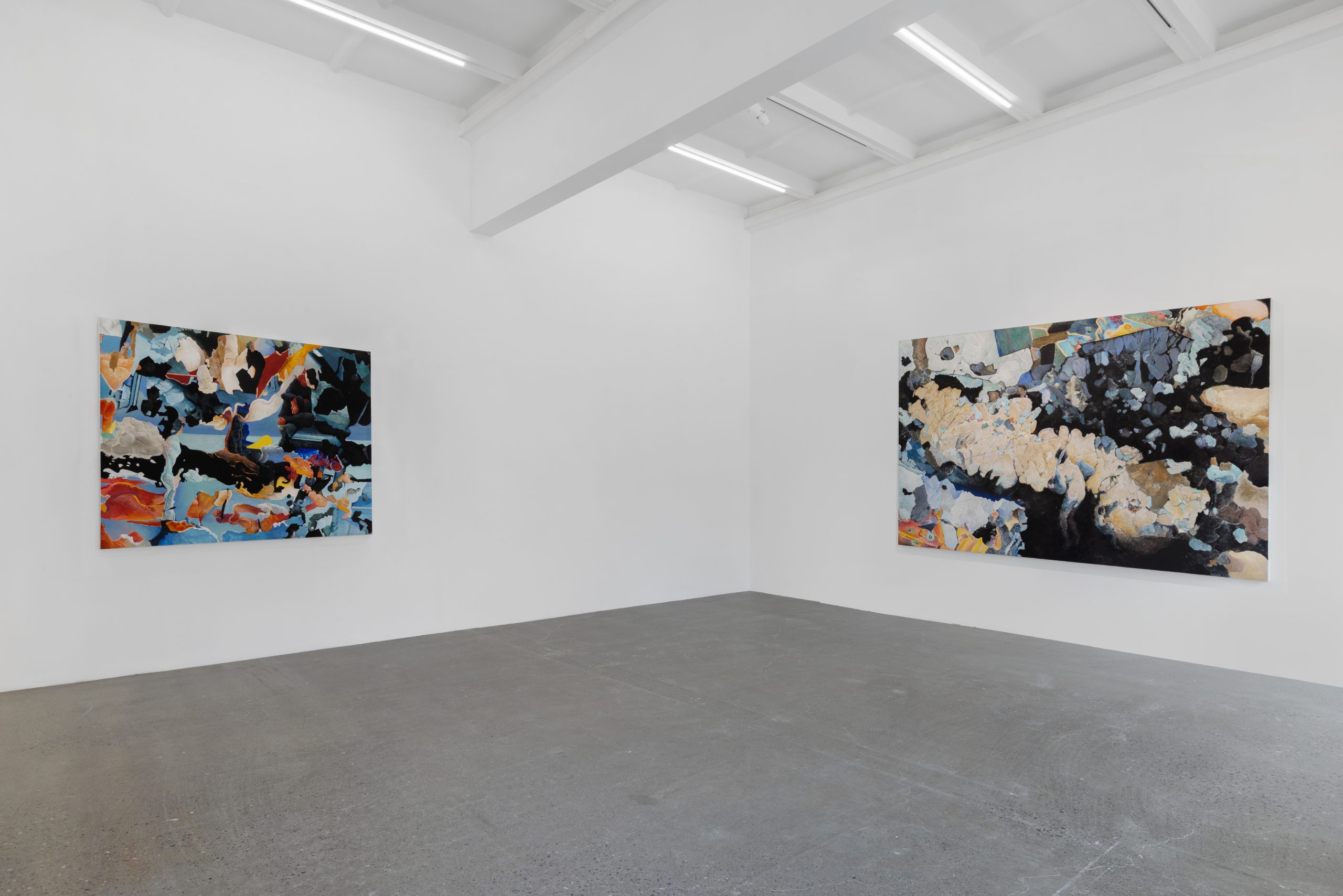
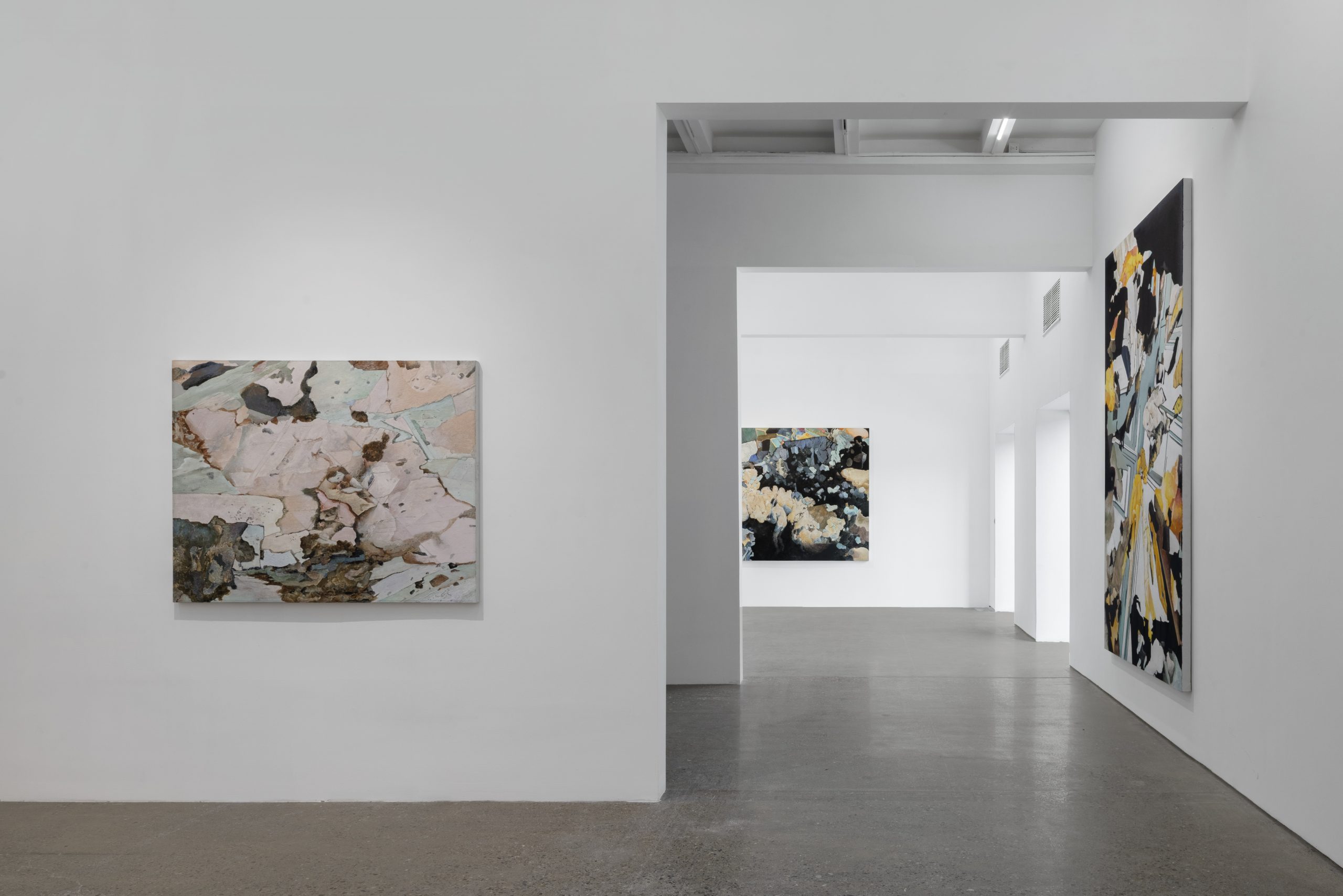
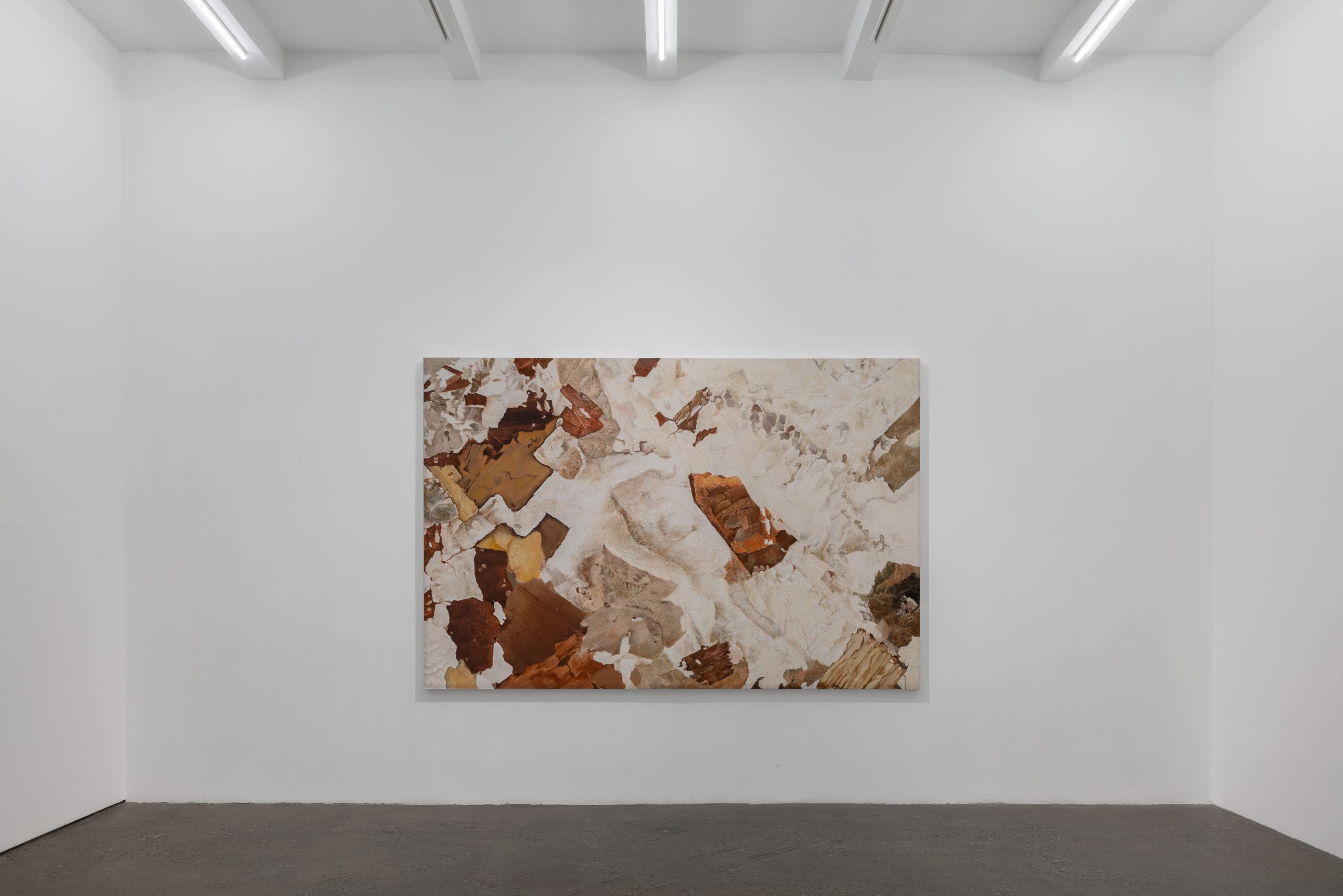
Magician Space is pleased to present Guo Hongwei’s second solo exhibition “The Grammar Goes Where The Metaphor Goes,” highlighting nine recent paintings by the artist. The exhibition is based on his continuous exploration of material forms and internal structures of natural minerals, as well as their formal evolution within the visual culturegenealogy. Guo’s use of painterly languages and methods centers around forging a dialogue between materialrationality and natural affection, addressing how individuals can find reliable consensus when value judgements conflict daily realities.
The Chinese title “叩石垦壤 (kòu shí kěn rǎng)”[1] resonates with the English title “The Grammar Goes Where The Metaphor Goes,” both pointing to the dynamic relationship between the essence and appearance of things: questioning of hills and rocks arises from an deeply rooted ambition to shift the seemingly immoveable; grammatical orders or misreadings flow with the polysemy of metaphorical indications. These paralleled Guo’s practice of using “stones/rocks” to interpret the present. He certifies ancient thoughts through a natural historical approach: traces of material serve as evidence of secular life, which in return reveal how perception traverses the specific and the transcendental. In his paintings, layers of lazurite blue ripple wide, condensing into a gaseous entity; at the verge between black and white, soft sheen of mica sets off the tranquility of tourmaline; the base color of Ru-ware celadon glaze gradually reveals the textures of mountains and earth. Figures take shape amidst these minerals and colors, forming postures either from a fleeting glance of reality or merely a haze of natural chiaroscuro. Thus, the subjects traverse between the physical and the imaginal, witnessing processes of generation and transformation while hinting at the visibility and mobility of existence itself.
All traces of origins eventually point to a concern with the present reality. Drawing upon the aesthetic frameworks and cultural genes accumulated by traditions and generations, Guo transforms the sublime objects into natural ones, allowing the imposing and the reclusive subjects to recede in favor of individual reflection. He seeks to connect consensus within a shared visual cultural framework, approaching it by “using stones from other mountains to polish jade”—evoking universal perception and resonance amid the heterogeneity that transcends time and predetermined attributes. In his frames, figures and objects seem indistinct, and the specific references are increasingly blurred. It is precisely in this ambiguity that synesthesia quietly emerges. Guo constructs a bridge between natural history and everyday reality through such method. The structure of minerals and the form of figures become traces, images, and metaphors within the image scene, conversing into and influencing one another. He orchestrates perception through the rules of “form,” which serves as a direct confrontation of the discord of reality and genuine feeling.
Ultimately, Guo’s paintings reflect a reality where subjectivity is gradually dissipating. While we strive to emphasize how to construct subjectivity, Guo instead brings this universal dilemma to the foreground. It manifests in the fractures of history and memory while lying hidden in the ambiguity of reason and the dislocation of perception. Rationality of nature and chaos of perceptions are inherently unified: the destination reached through the search may well be a certain absurdity. Instead of chasing a singular certainty, perhaps embracing reality is the basis for everything.
[1] This expression is borrowed from a well-known Chinese fable, A Foolish Old Man Moves Mountains, and is literally translated as “breaking up the rocks and digging up the earth,” which summarizes the operations deployed to move the mountains.